
What Exactly Is a Builder Buyer Agreement?
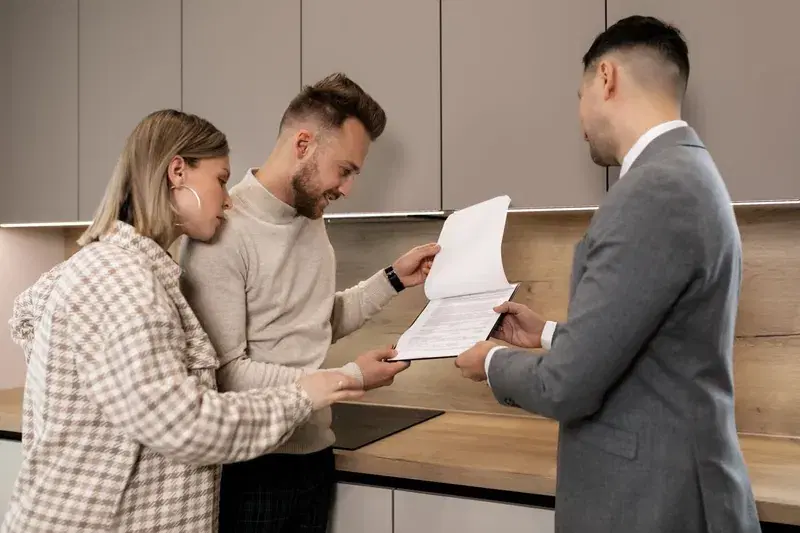
A Builder Buyer Agreement is the legally binding contract between you (the buyer) and the developer, setting out the terms on which the developer will construct and hand over the property to you. It covers the property specifications, price and payment schedule, possession timeline, penalties for delay, and what happens if either side fails to meet their obligations.
Since the Real Estate (Regulation and Development) Act, 2016 (RERA) came into force, developers of registered projects are required to use a largely standardized agreement format, which has made BBAs more buyer-friendly than they used to be — though builders still have room to add project-specific clauses, which is exactly why reading it carefully still matters.
Why Does This Document Matter So Much?
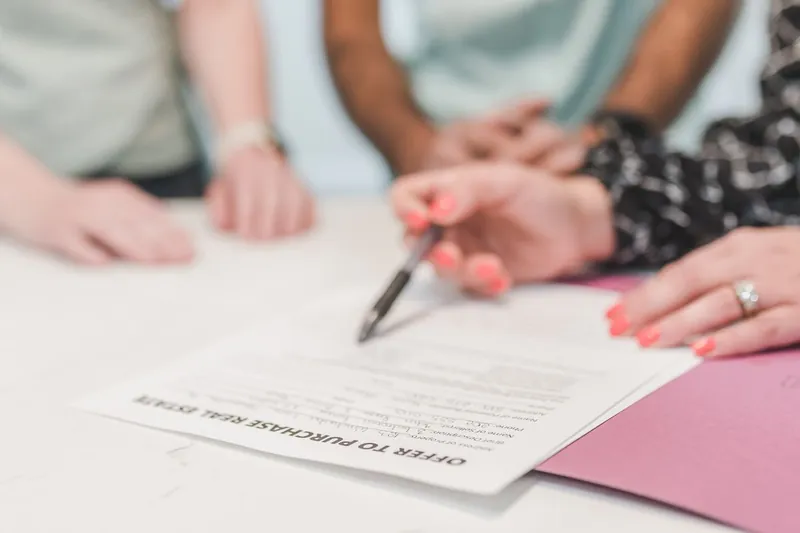
Photo by RDNE Stock project on Pexels
The brochure and the sales team's verbal promises are not what you can legally rely on — the BBA is. If the builder delays possession, changes specifications, or tries to charge extra later, this document is what a court, RERA authority, or consumer forum will actually look at to decide who's right. Any verbal assurance that contradicts what's written in the BBA generally won't hold up, which is why it's worth insisting that important commitments be reflected in the document itself, not just spoken about during the sales pitch.
What Should You Check Before Signing?

Photo by Pixabay on Pexels
A few clauses deserve particular attention, since they're where most disputes later originate:
· Possession date and delay penalty — the exact committed date, and what compensation (if any) the builder owes you per month/day of delay.
· Carpet area, not just super built-up area — RERA requires builders to quote carpet area, which is the actual usable floor space; make sure the price is tied to a clearly defined area.
· Payment schedule — whether it's construction-linked or a fixed schedule, and what happens if you miss an instalment.
· Specifications and amenities — fittings, flooring, and shared amenities promised should be listed specifically, not just described generally as "premium."
· Cancellation and refund terms — what you get back, and how quickly, if you need to exit the purchase.
· RERA registration number — every project above a certain size must be RERA-registered; check that the number quoted in the agreement is valid on your state's RERA portal.
Also confirm the stamp duty and registration charges you're expected to pay, since these vary by state and are a real, often underestimated, additional cost on top of the property price.
Is the BBA the Same as the Sale Deed?
No, and this distinction trips up a lot of first-time buyers. The Builder Buyer Agreement is essentially a promise — it sets out the terms under which the builder will construct and eventually transfer the property to you. The sale deed is the actual legal instrument that transfers ownership/title, executed later once the property is ready and you've made the agreed payments. You don't legally own the property just by signing the BBA; that happens at the sale deed and registration stage.
What If the Builder Doesn't Follow the Agreement?
Photo by Sonu Kumar on Pexels
If the builder breaches what's written in the BBA — most commonly by delaying possession — you have legal remedies through RERA, and in some cases through a consumer forum or civil court, depending on what went wrong. This is a big enough topic on its own; if possession delay is your specific concern, our guide on [what happens if a builder doesn't deliver possession on time](/what-happens-if-builder-does-not-deliver-possession-on-time) walks through the compensation and complaint process in detail.
What to Do Next
1. Read the entire BBA before signing, not just the payment schedule — pay particular attention to the possession and penalty clauses.
2. Verify the project's RERA registration number independently on your state's RERA website, rather than just trusting what's printed in the agreement.
3. Get verbal promises written into the agreement — anything not on paper is very hard to enforce later.
4. Calculate the total cost, including stamp duty and registration charges, before committing, so there are no surprises at the final stage.
5. Keep a signed copy of the agreement safely — you'll need it if any dispute arises later.
Disclaimer
This article is general legal information for educational purposes and does not constitute legal advice. Terms and protections can vary by state and by the specific project. Please consult a qualified lawyer to review your Builder Buyer Agreement before signing.