
What Makes a Cheque Bounce a Legal Offence?
Cheque dishonour is governed by Section 138 of the Negotiable Instruments Act, 1881. In plain terms, it becomes a punishable offence when:
A cheque is issued to discharge a legally enforceable debt or liability (not, for example, as a gift or a blank guarantee with no real debt behind it).
The cheque is presented to the bank within its validity period (usually three months from the date on it) and is returned unpaid — most commonly due to insufficient funds.
The cheque was drawn on an account maintained by the person who issued it.
If all three conditions are met, the person who issued the cheque can be prosecuted — this is what makes Section 138 different from a simple civil money dispute; it carries criminal liability alongside the right to recover the money.
What's the First Step After a Cheque Bounces?
You cannot go straight to court. The law requires a specific sequence:
Get the bounce memo from your bank — this officially records the reason for dishonour (e.g., "funds insufficient").
Send a legal notice to the person who issued the cheque, demanding payment, within 30 days of receiving the bounce memo from the bank.
Wait 15 days after the notice is received — this is the window the drawer gets to make the payment.
Only if payment isn't made within those 15 days does the right to file a criminal complaint arise — and that complaint must be filed within one month of this 15-day period expiring.
Missing these timelines is one of the most common reasons cheque bounce cases get dismissed on technical grounds, so precision here matters as much as the underlying facts.
What Should the Legal Notice Actually Say?
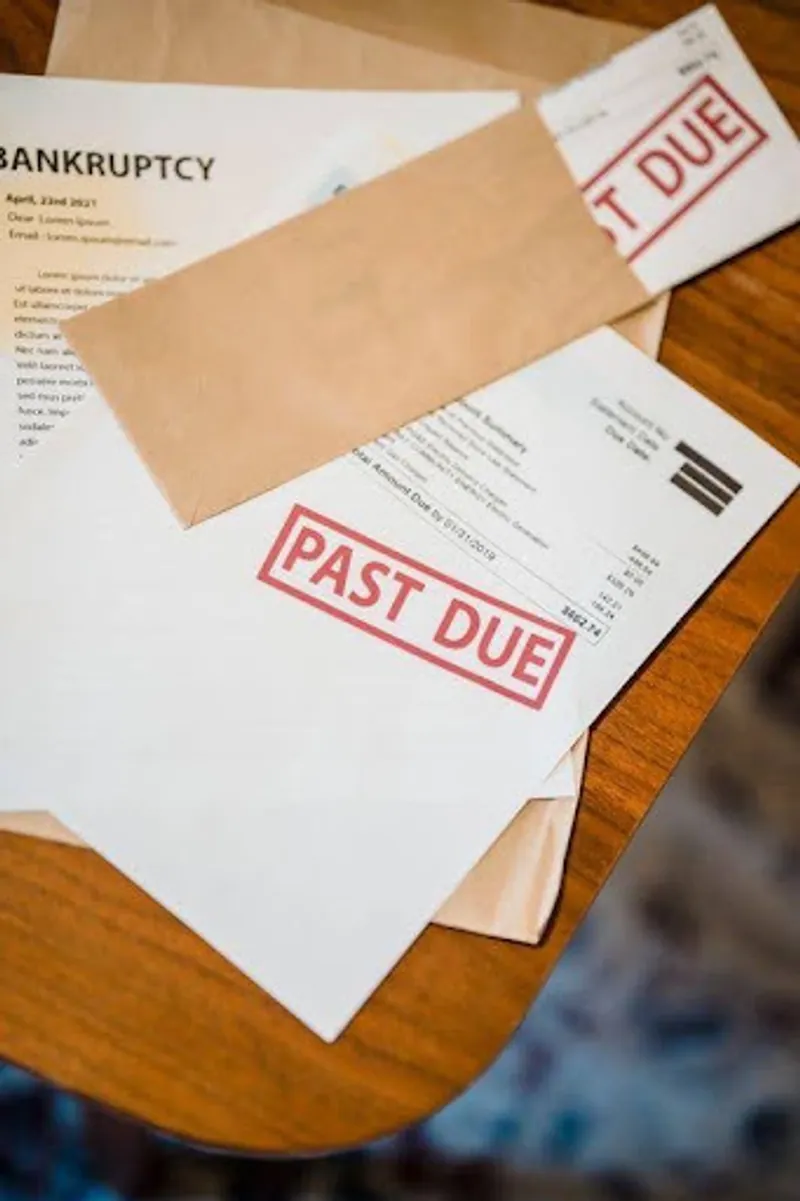
The notice needs to clearly state the cheque details (number, date, amount), the fact that it was dishonoured, and a demand for payment within 15 days of the notice being received. It doesn't need to be lengthy or aggressive — precision matters more than tone. Many people draft and send this themselves via registered post or a lawyer's letterhead; either is legally valid, as long as the content and timeline requirements are met.
What Happens If the Case Goes to Court?
If the drawer still doesn't pay after the notice period, you can file a criminal complaint before the Magistrate having jurisdiction — usually where the cheque was presented for payment or where the bank branch is located. The court examines evidence like the cheque itself, the bounce memo, the notice, and proof of delivery.
If convicted, the drawer can face:
Imprisonment up to 2 years, or
A fine up to twice the cheque amount, or
Both, at the court's discretion.
In practice, courts often encourage settlement, and many cheque bounce cases end with the accused paying the amount (sometimes with an additional sum) rather than going through a full trial — the criminal liability is real, but it also creates strong pressure toward resolving the underlying debt.
Does the Cheque Have to Be Post-Dated?
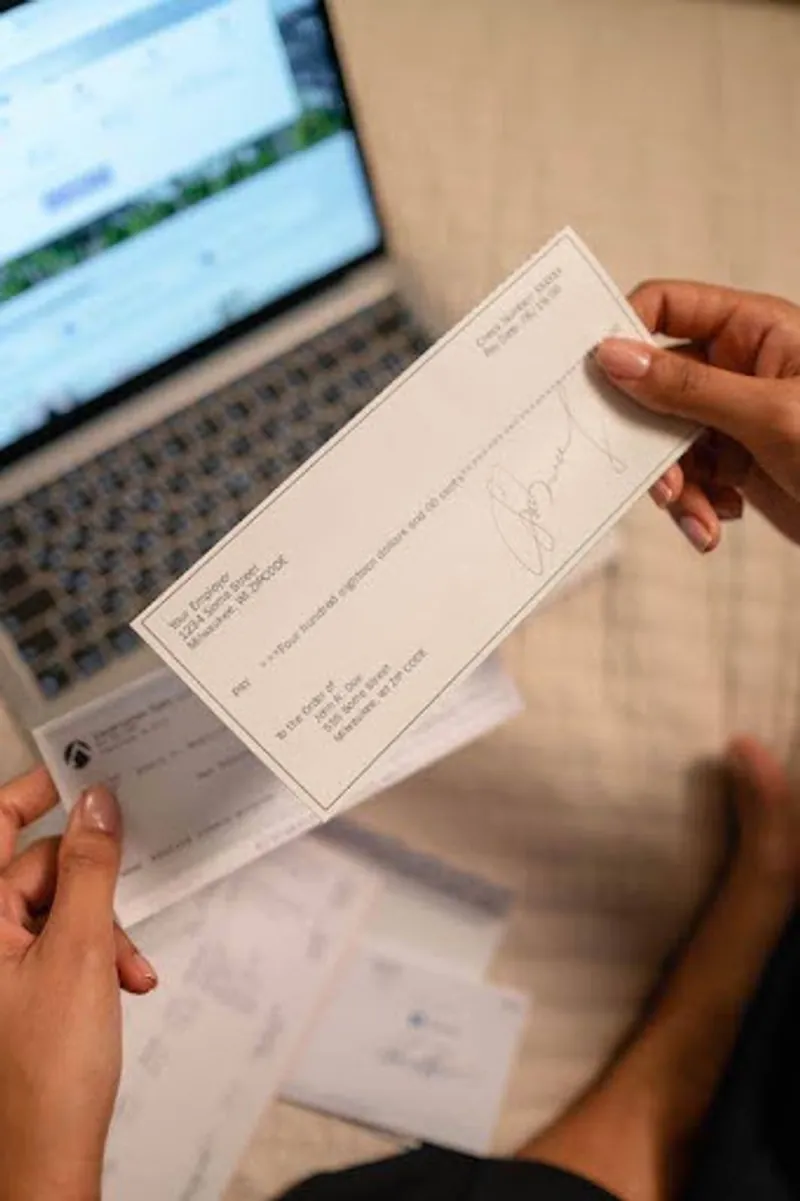
Not necessarily — Section 138 applies to any dishonoured cheque issued for a legally enforceable debt, whether post-dated or not. Post-dated cheques are common in these cases (e.g., issued as part of a repayment plan), and they're treated the same way once the date arrives and the cheque is presented and bounces.
What to Do Next
Present the cheque promptly once you receive it, and don't delay — you only have a limited window from the date on the cheque.
Collect the bounce memo from your bank the moment the cheque is dishonoured.
Send the legal notice within 30 days of the bounce memo, clearly stating the amount and demanding payment within 15 days.
Track the 15-day response window carefully — this determines exactly when you can file a complaint.
File the criminal complaint within one month of the 15-day period expiring if payment still isn't made, and consult a lawyer to make sure the paperwork and timelines are airtight.
Disclaimer
This article is general legal information for educational purposes and does not constitute legal advice. Outcomes depend on the specific facts, evidence, and timelines involved. Please consult a qualified lawyer before sending a legal notice or filing a complaint under Section 138.