
Most tenants in India assume the landlord holds all the cards: that if they push back on an unfair rent hike, ask for their deposit back, or refuse to move out on short notice, they'll simply lose. That's not how the law actually works. Tenant rights in India are more substantial than most renters realize, covering everything from how you can be evicted to what happens to your deposit and whether a landlord can cut your water to force you out. Here's what you're actually entitled to.
What Rights Do You Actually Have as a Tenant?
Tenancy in India is governed primarily by state-level Rent Control Acts, along with the more tenant-and-landlord-balanced Model Tenancy Act, 2021, which several states have started adopting or referencing in updated rules. Regardless of which framework applies in your state, a few protections are near-universal: you can't be evicted without valid legal grounds and due process, your security deposit can't simply be withheld without reason, and basic services like water and electricity can't be used as leverage against you. The specifics vary by state, but the underlying principle doesn't.
Can Your Landlord Evict You Whenever They Want?

No, and this surprises a lot of tenants. A landlord generally cannot force you out simply because the lease term is ending or because they've found a tenant willing to pay more. Eviction typically requires one of a limited set of legally recognised grounds, such as:
Non-payment of rent for a specified period.
The landlord genuinely requiring the property for personal use (called "bona fide requirement").
The tenant using the property for a purpose other than what was agreed, or causing significant damage.
Subletting without the landlord's consent, where the agreement prohibits it.
Even where a valid ground exists, the landlord usually can't just change the locks or physically remove your belongings. This is treated as illegal eviction in most states. They're expected to issue proper notice and, if you don't leave voluntarily, approach the Rent Controller or a civil court for an eviction order. Self-help eviction (locking you out, removing your things, cutting off access) can itself be legally challenged.
What Does the Rent Control Act Actually Protect You From?
Every state has its own Rent Control Act, and they don't all work identically, but most were designed with two goals: preventing arbitrary rent hikes and preventing arbitrary eviction. In areas where the older Rent Control Acts still apply, rent increases are often capped or require following a specific procedure, and landlords must go through the Rent Controller for eviction rather than acting unilaterally.
Newer agreements, especially in cities that have moved toward the Model Tenancy Act framework, tend to rely more on the terms written into the rent agreement itself, which is exactly why the agreement you sign matters more than most tenants assume. If your rent agreement is silent on notice periods, permissible rent increases, or deposit terms, you're left relying on the general legal position in your state, which is a weaker footing than having it spelled out in writing.
Getting Your Security Deposit Back

Security deposits are one of the most common sources of landlord-tenant disputes, largely because expectations were never written down clearly. A few things worth knowing:
Under the Model Tenancy Act framework (adopted in some form by several states), security deposits are generally capped, often around two months' rent for residential property and higher for commercial property, though the exact cap depends on your state's rules.
A landlord can only deduct from your deposit for genuine reasons: unpaid rent, unpaid utility bills, or damage beyond normal wear and tear. General wear from ordinary use isn't a valid deduction.
The deposit is meant to be refunded within a reasonable period after you vacate: commonly within a month, though this varies by state and by what your agreement specifies.
If a landlord withholds your deposit without justification, you can send a formal written demand first, and if that doesn't work, approach the Rent Authority (where established) or the consumer/civil courts, depending on your state's structure.
Can Your Landlord Cut Off Water or Electricity to Force You Out?
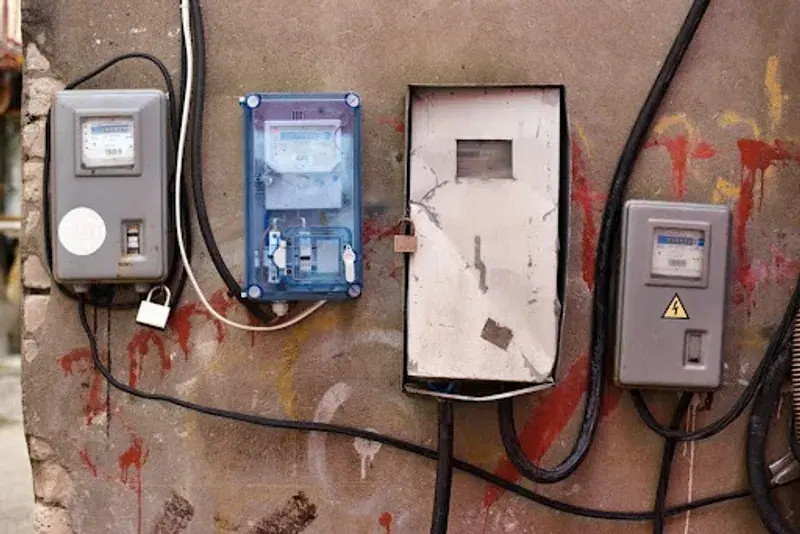
No, and this is one of the clearer-cut tenant protections. Deliberately disconnecting water, electricity, or other essential services to pressure a tenant into leaving is treated as illegal harassment in most states, separate from whatever the underlying dispute is about. Even if rent is genuinely overdue, a landlord isn't legally entitled to take matters into their own hands this way. They're expected to use the formal eviction process instead. If this happens to you, it's grounds for an immediate police complaint and a complaint to the local Rent Authority or municipal body, in addition to any civil claim.
What to Do Next
Read your rent agreement closely: check what it says about notice periods, deposit terms, and permissible rent increases, since this often governs more than the general law once it's in writing.
Document everything: payment receipts, written communication with your landlord, and photos of the property's condition when you moved in, so disputes over deductions or damage don't come down to word against word.
Respond in writing, not just verbally, if a landlord threatens eviction or withholds your deposit: a paper trail matters if this escalates.
Don't leave under pressure from illegal tactics like a lockout or service disconnection: these can be challenged, and leaving may weaken your position.
Approach the Rent Authority, Rent Controller, or consumer forum in your state if informal resolution fails: check your state's specific tenancy rules, since procedures differ.
Disclaimer
This article is general legal information for educational purposes and does not constitute legal advice. Tenancy law varies significantly by state in India, and your specific rights depend on your state's Rent Control Act or applicable tenancy rules and the terms of your rent agreement. Please consult a qualified lawyer for guidance on your specific situation.